
Who provides piano tuning in Singapore?
Music Companion provides piano tuning, regulation and pitch raise services in Singapore for instruments it sold and instruments bought elsewhere.
Home/Tuning
Piano tuning, SingaporeTuning, regulation and pitch raise, on instruments we sold and on instruments we did not. Piano moving is a separate service, explained further down this page.
Service questions from owners whose piano needs work or a new location.
Music Companion provides piano tuning, regulation and pitch raise services in Singapore for instruments it sold and instruments bought elsewhere.
Music Companion tunes both upright and grand pianos. The initial enquiry should include the make, model, location, last tuning date and any issue the player has noticed.
Music Companion can arrange the first tuning with a piano purchase and provides continuing tuning services afterwards. The timing depends on delivery and how the instrument settles in its new room.
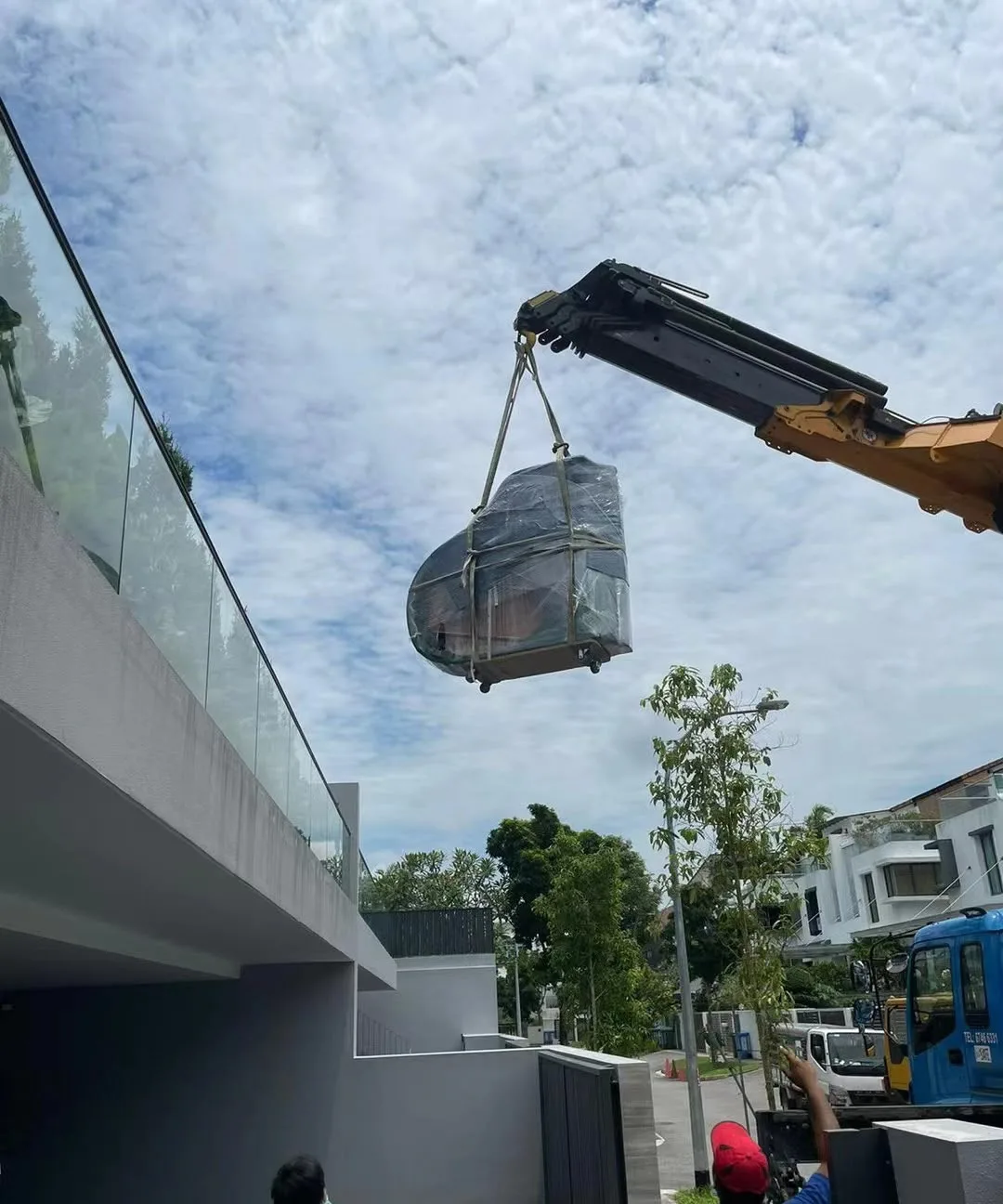
Music Companion provides piano logistics for uprights and grands and can arrange tuning after the instrument has settled. Access details determine the crew, equipment and quotation.
Changes in humidity can affect the soundboard, action and tuning. Ask for a service schedule based on your instrument and room conditions, rather than assuming a fixed interval suits every home.
Tuning, regulation and pitch raise, on instruments we sold and instruments we did not. After a move or a long gap without servicing, ask which work the individual piano needs.
Piano care and room conditions →
Prepare for a tuning appointment → Plan a move between two addresses →
Tuning vs regulation vs voicing →
What concert pitch and a pitch raise involve → How many strings a piano has →
Why keys stick or feel sluggish →
Returning to a piano unused for years → Buzzing, rattling or sounding different →
Manufacturer tuning guidance: Yamaha and Kawai.
“Performed by certified Steinway & Son, Yamaha & Kawai piano tuner.”Music Companion, in its own words

The red felt strip mutes strings so each one can be set on its own. The pins it sits between are what hold the tuning, and why a piano whose pins have loosened will not keep it.
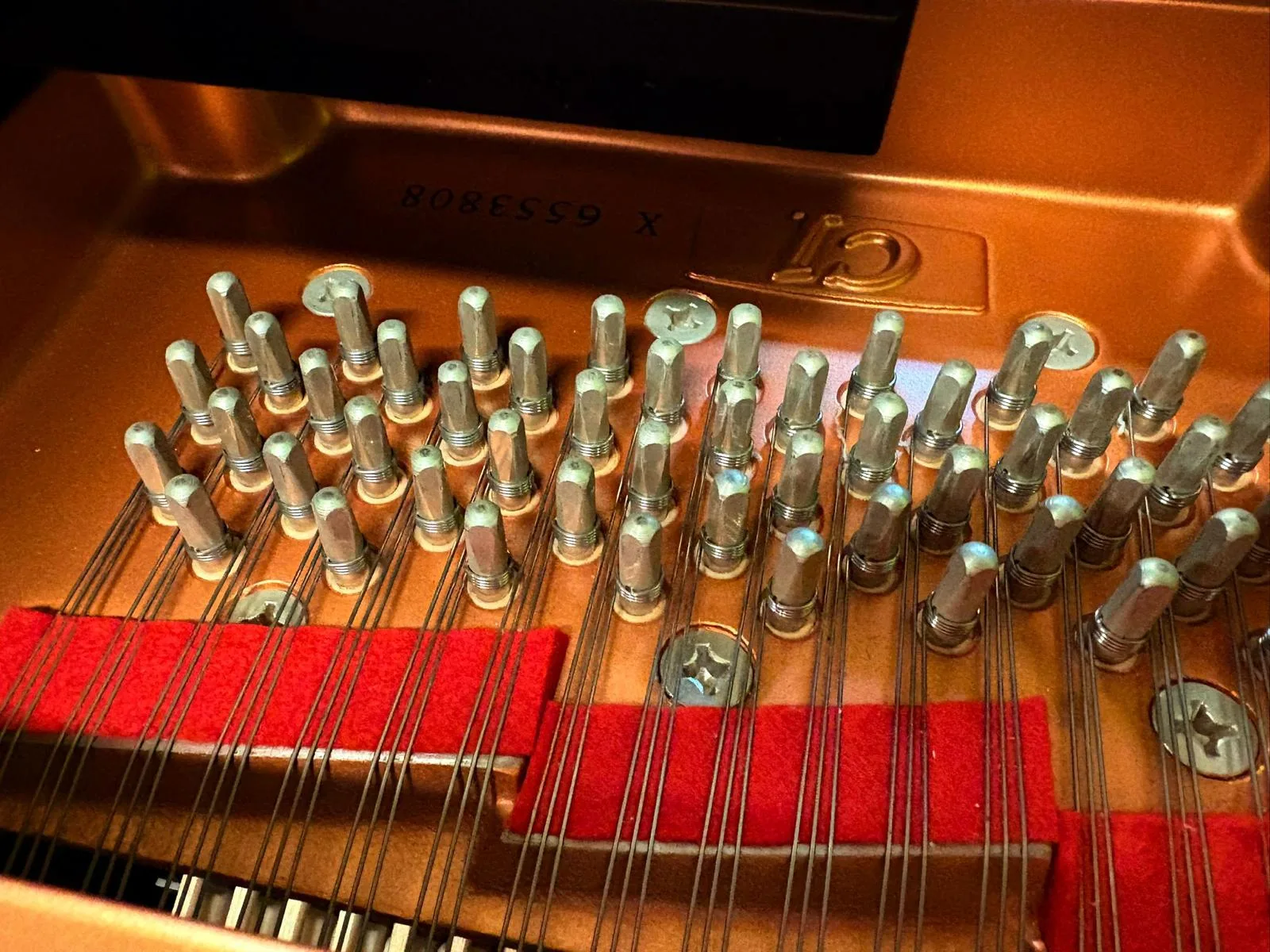
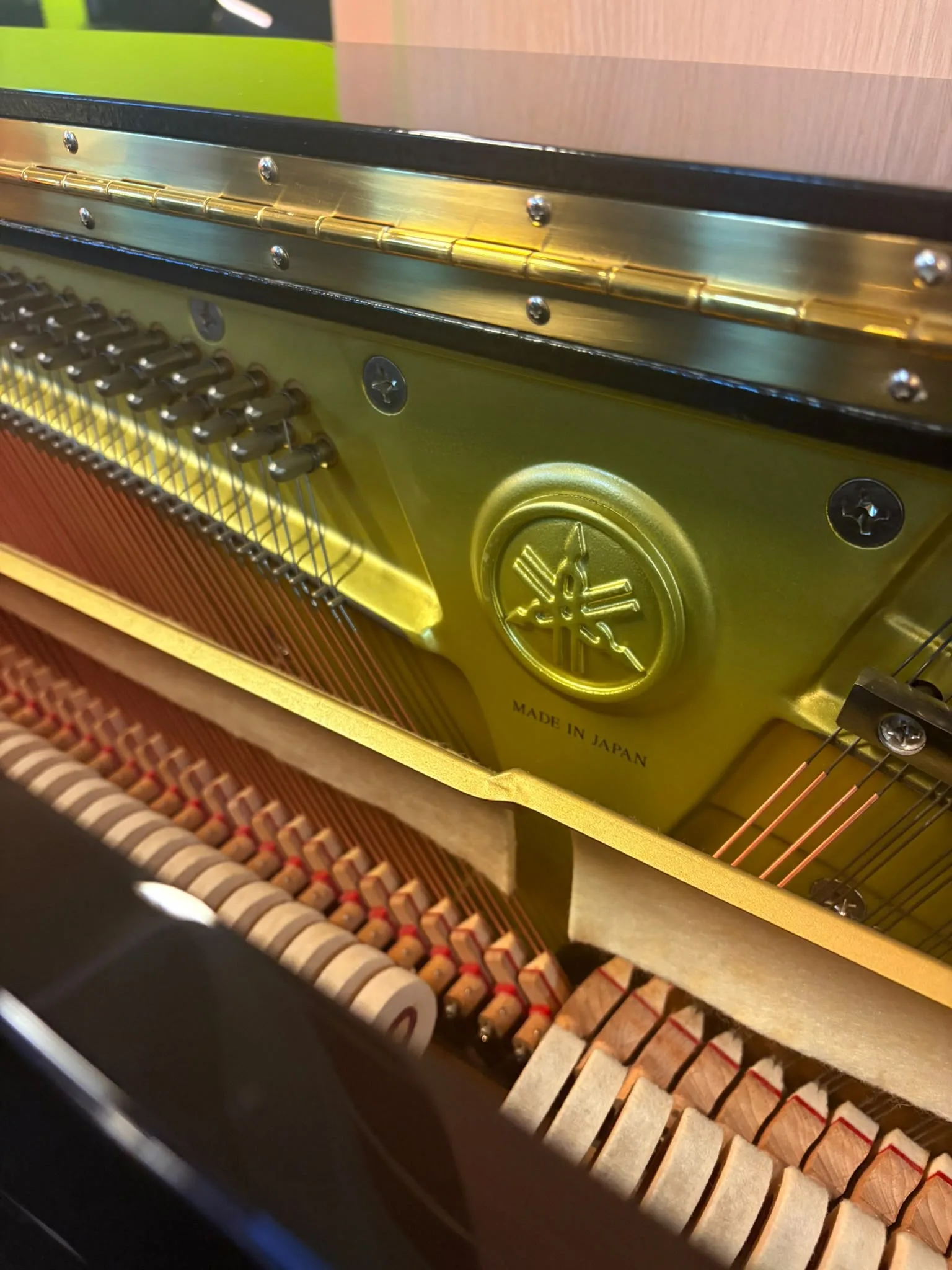
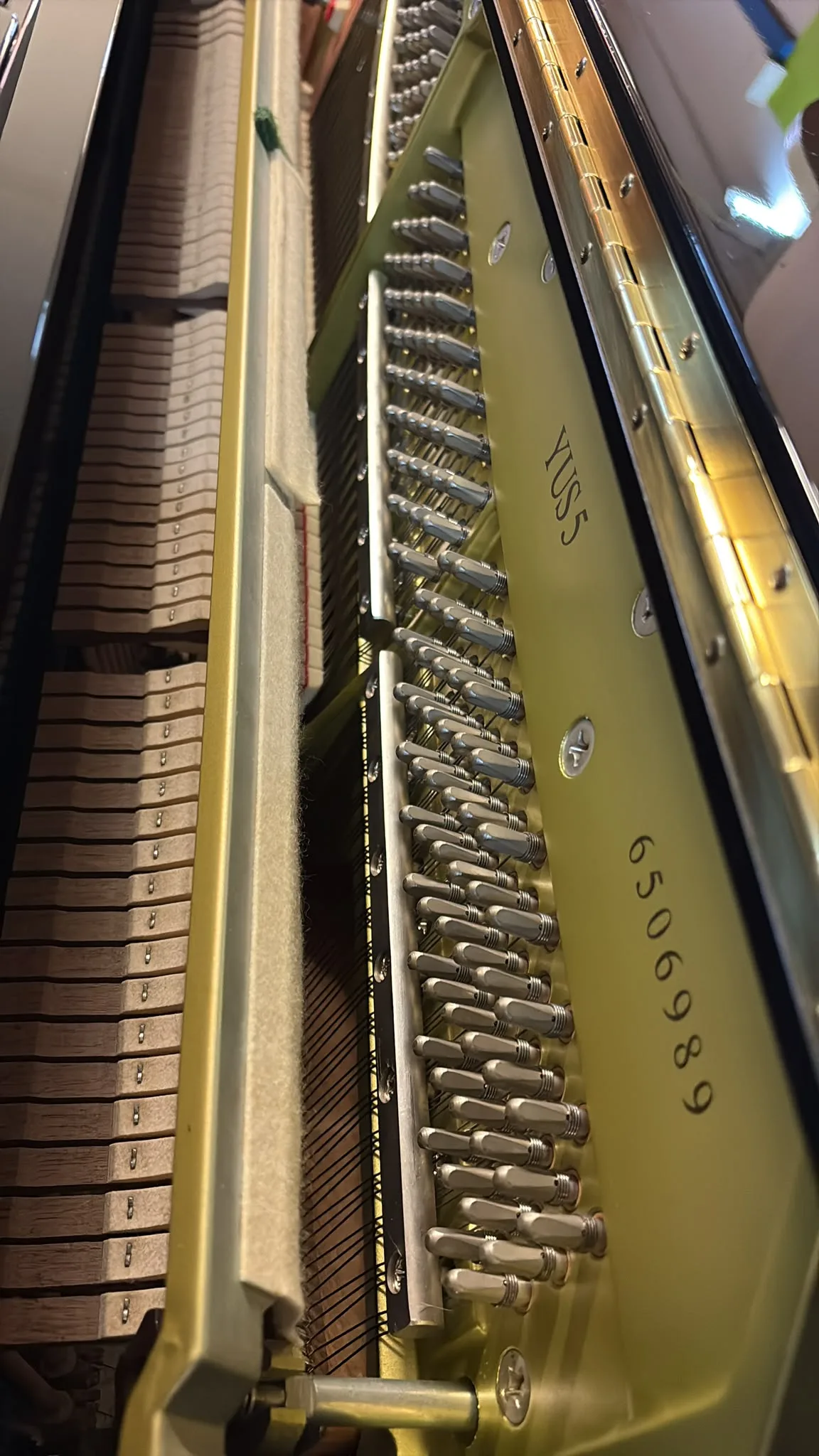
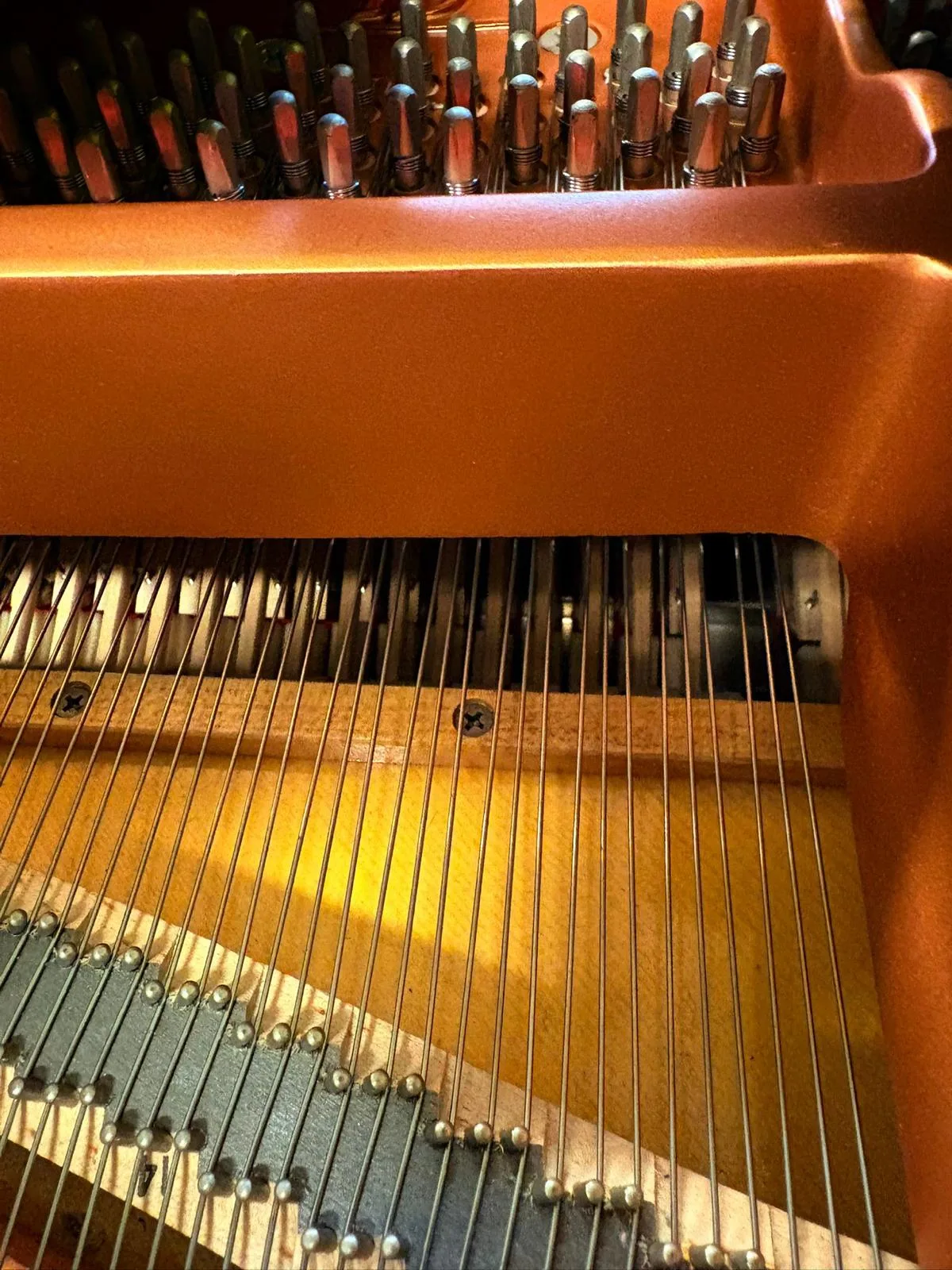
Moving a piano is not moving furniture. Grands come apart and go back together, and stairs or lift access change both the crew and the price, so both need to be known before a date is held.
Moving and tuning are separate jobs. You can enquire about both together: ask for the scope, charges and proposed timing to be confirmed before committing. An enquiry does not confirm either appointment. What a delivery covers, how a grand comes apart and what happens when the stairs will not take one are set out with the instruments themselves.
Fill in what you know to prepare a WhatsApp message. You can review it before sending. Sending an enquiry does not confirm an appointment or a price.
Music Companion tunes, regulates and moves pianos it sold and pianos it did not.
It opens WhatsApp with your answers ready to send.
Ask the technician for a schedule based on the instrument, its use and room conditions. Yamaha advises at least annual tuning, while Kawai recommends two to four tunings a year depending on temperature stability, humidity and use.
After a move or a long period without tuning, ask whether an assessment or pitch adjustment is needed.
Yes. Make and model do not matter, and neither does where it came from.
When a piano has been left long enough it settles well below standard pitch. Pulling it back up in one pass will not hold, because the added tension keeps moving as it settles. So it is done in stages, which takes longer than a straight tuning and is quoted as its own job.
Ask the technician to check its pitch and recommend the timing after the move. The condition of the instrument and the temperature and humidity in the new room affect the recommendation.
Yes, and for anything being performed on that means tuning in the room ahead of the performance rather than at IMM the day before. A piano that has just been driven across the island is not a tuned piano.
No. Tuning sets the pitch of the strings. Regulation sets the mechanism: how far each key travels, how the hammer lets off, how quickly a note repeats.
An instrument can be perfectly in tune and still feel uneven to play, and that is a regulation job rather than a tuning one.
For tuning, send the make, model, location, last tuning date and anything you have noticed. For a move, include both addresses, floors and access details so the work can be assessed.